
Local Expertise. Sophisticated Marketing. A Smarter Selling Strategy.
Selling a home on the Main Line isn’t quite like selling a home anywhere else.
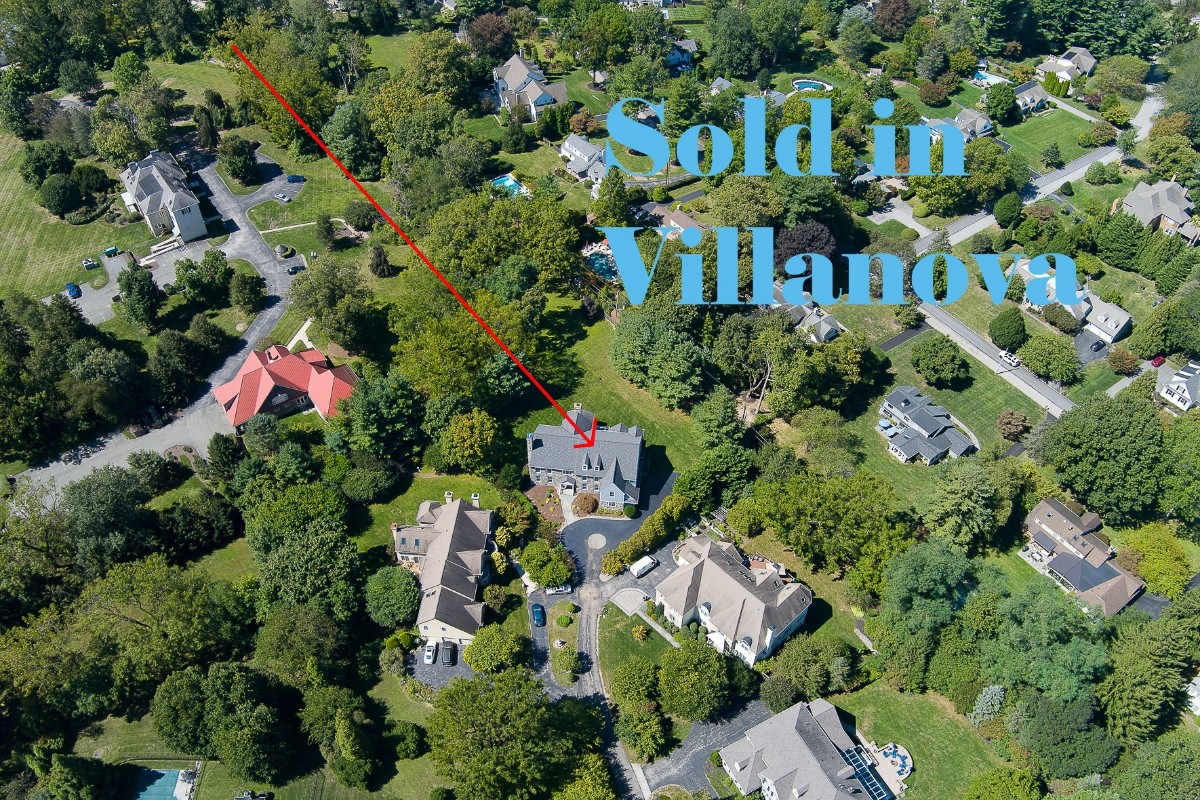
After more than 20 years in Main Line real estate, I’ve learned that there is no single “Main Line market.” A stone Colonial in Villanova can behave very differently from a similarly priced home in Haverford, Bryn Mawr or Wayne. School district, township, architecture, lot size, taxes, walkability, condition and even the particular neighborhood, even the block, can have a significant impact on value and buyer demand.
That’s why successfully selling a Main Line home starts with something an algorithm can’t provide: local knowledge, experience, and a strategy specific to your property.
Whether you’re selling a luxury home, downsizing after many years, relocating, or simply wondering whether now is the right time to sell, I’ll help you understand what your home is worth, what today’s buyers are looking for, and how to position your property to achieve the strongest possible result.
What Is Your Main Line Home Really Worth?
Online home estimates can be useful as a starting point. But on the Main Line, they often miss the details that make one property considerably more valuable than another. The online algorithms haven’t seen your renovations and updates, and they don’t understand the difference between North Side and South Side.
Two homes with similar square footage may have very different market values because of:
- Township and school district
- Neighborhood and location
- Lot size, setting and privacy
- Architectural style and character
- Renovation quality
- Age and condition of major systems
- Property taxes
- Walkability and proximity to train stations and town centers
- Current inventory and buyer demand
- Recent comparable sales—and the differences behind those sales
An accurate pricing strategy requires more than pulling three nearby sales and averaging the price per square foot.
I look at the property the way an experienced buyer—and the agents advising those buyers—will look at it.
Request a personalized Main Line home valuation →
Pricing a Main Line Home Is Both Art and Analysis
Pricing is one of the most consequential decisions you’ll make when selling your home.
Price too high and you risk losing the urgency and excitement that come with a new listing. Price too low without a deliberate strategy and you may leave money on the table.
The goal isn’t simply to determine what your home is “worth.”
The goal is to determine the price and positioning most likely to produce the best result. How do we get the most number of eyeballs looking at you online? How do we get the most number of fee through the door?
That requires understanding not only past sales, but the homes currently competing for your buyer, properties about to enter the market, current buyer behavior and how your particular home is likely to be perceived.
After more than two decades working on the Main Line, that is where experience becomes particularly valuable.
Preparing Your Home for Sale
You do not necessarily need to renovate your home before selling it.
In fact, one of the most expensive mistakes sellers can make is spending money on improvements that buyers won’t sufficiently reward.
Before recommending any work, I consider three questions:
Will it increase the sale price?
Will it make the home easier or faster to sell?
Will the likely return justify the cost and inconvenience?
Sometimes painting, editing furnishings, improving lighting and addressing a few strategic repairs can dramatically change how a home presents.
Other times, the smartest recommendation is: don’t touch it.
My job is not to help you spend money. It’s to help you determine where spending money makes sense—and where it doesn’t.
Marketing a Main Line Home
Putting a property in the MLS is not a marketing strategy.
Every home has a story. The marketing should identify what makes that property compelling to the most appropriate buyer, and tell the story.
My marketing strategy will include professional photography, of course. It may also include video, compelling copy, digital advertising, social media exposure, agent-to-agent outreach, targeted buyer marketing, print marketing, strategic pre-market exposure and open houses.
For luxury properties, the presentation becomes even more important.
Affluent buyers are not simply comparing bedrooms and bathrooms. They are comparing architecture, lifestyle, location, privacy, finishes, sound levels, outdoor spaces and the emotional experience of the property.
The marketing needs to communicate those distinctions.
Selling a Luxury Home on the Main Line
Luxury real estate requires a different approach.
The buyer pool is smaller, expectations are higher, and pricing mistakes can be more costly. Luxury buyers also tend to have more choices—and less urgency to compromise.
A successful luxury strategy requires understanding both the property and the likely buyer.
That means identifying what makes the home exceptional and presenting those qualities with the level of photography, storytelling, positioning, and exposure the property deserves.
It also means knowing when not to over-market.
Sometimes exclusivity creates interest. Sometimes maximum exposure is the better strategy.
There is no formula that works for every luxury home.
Explore my approach to selling Main Line luxury homes →
Downsizing on the Main Line
For many longtime Main Line homeowners, selling isn’t primarily a real estate transaction.
It’s a transition.
You may have lived in your home for 20, 30 or even 40 years. There may be decades of belongings to sort through, repairs you’ve postponed, decisions about where you’re going next, and a long list of things that suddenly seem to need attention.
Trying to tackle everything at once can make the idea of moving feel overwhelming.
It doesn’t have to be.
I help downsizing sellers determine what actually needs to be done before the home goes on the market, what can be left alone, and in what order everything should happen. However, it’s all a matter of your choice – you can choose to do nothing, everything, or land somewhere in between.
The first step isn’t packing.
It’s making a plan.
Learn more about downsizing and selling your Main Line home →
Selling While Relocating
Selling a home while simultaneously planning a move out of the area introduces another layer of complexity.
Timing matters.
Should you buy first or sell first? What happens if your home sells faster than expected? What if your next home isn’t ready? Which improvements are worth making when you’re already preparing for a move?
There isn’t one correct answer.
I help clients coordinate the sale around the larger move so that the real estate strategy supports your plans rather than complicating them.
Why the Main Line Is Different
The Main Line is a collection of distinct communities and micro-markets rather than one homogeneous real estate market.
I work throughout the core Main Line townships: Lower Merion, Radnor, Haverford, Tredyffrin, Easttown, and the incorporated Main Line communities, including Villanova, Bryn Mawr, Haverford, Wayne, Wynnewood, Ardmore, Gladwyne, Merion Station, Devon, Berwyn, as well as Havertown and Newtown Square.
The geographic distinctions matter.
A Bryn Mawr mailing address, for example, can encompass properties in three different townships and school districts. Villanova spans more than one township as well. Berwyn, Haverford, Ardmore, Wynnewood, Wayne…so many of our towns span across township, school district, and county lines. Buyers familiar with the area understand these distinctions, and they can influence demand, pricing, and resale value.
Knowing the Main Line means understanding the nuances—not simply recognizing the ZIP codes.
Why Work With Rebecca Diamond?
I have spent more than 20 years helping clients buy and sell homes on Philadelphia’s Main Line.
That experience matters most when a transaction isn’t straightforward.
Pricing decisions. Competing offers. Inspection issues. Appraisal concerns (this, especially as the market shifts!). Difficult negotiations. Timing complications. A property that doesn’t fit neatly into a comparable-sales model.
A successful sale is not simply about getting your home under contract.
It’s about getting from the first conversation through settlement with the strongest possible combination of price, terms and certainty.
My approach combines decades of local market experience with sophisticated marketing, direct communication and a strategy built around your particular property and priorities.
Frequently Asked Questions About Selling a Main Line Home
When is the best time to sell a home on the Main Line?
I always say the best time to sell is when you are ready. Spring traditionally brings significant buyer activity, but the best time to sell depends on your particular property, community, competition and personal plans. Lower inventory during other times of year can sometimes work to a seller’s advantage. I recommend looking at current conditions in your specific micro-market rather than choosing a date based solely on the calendar.
Should I renovate my house before selling?
Not necessarily. Some improvements can increase buyer appeal and return more than they cost, while others are unlikely to be recovered in the sale price. Before beginning a major project, it makes sense to evaluate your home, the likely buyer, and competition first.
How do I determine what my Main Line home is worth?
Recent comparable sales are important, but they’re only the beginning. Location, township, school district, lot, architecture, condition, renovations, taxes, current competition, and the pace of the market can all affect value. A property-specific market analysis generally provides far more useful information than an automated online estimate.
Should I price my home high so there is room to negotiate?
Usually, that’s not the best reason to choose a higher asking price. When you leave room for negotiation, you will be negotiating down. Wouldn’t you prefer to negotiate up? Today’s buyers have access to extensive market information, and an overpriced home can lose momentum during its most important days on the market. Pricing should be based on the property’s likely market value and the strategy most likely to generate the most amount of attention and traffic.
Do I need to stage my home?
Not every property requires full staging. Sometimes editing existing furnishings and making targeted changes is enough. Other homes benefit significantly from professional staging. The decision should be based on the property, likely buyer, and expected return.
Can I sell my home before it is publicly listed?
There are circumstances in which a seller may prefer a more private or limited-exposure strategy. Whether that makes financial sense depends on the property and your priorities. We can absolutely do that, let’s be sure to discuss the benefits and tradeoffs of private, pre-market, and full-market exposure before deciding which approach is appropriate.
How long does it take to sell a Main Line home?
There isn’t a meaningful one-size-fits-all answer. Market time varies by community, price range, condition, property type, and pricing strategy. Rather than relying on a broad Main Line average, I look at recent activity among homes that would realistically compete with yours.
What should I do first if I’m thinking about selling?
Before renovating, packing or calling contractors, have your home evaluated.
Understanding its likely value, i.e. what, if anything, should be changed before listing, and the likely timeline, gives you the information you need to make the rest of your decisions intelligently.
Thinking About Selling Your Main Line Home?
You don’t need to have made the decision to sell before we talk.
If you’re considering a move in the next few months—or even the next year—I can give you an objective assessment of your home, its likely market value, what I would recommend doing before selling and, just as importantly, what I wouldn’t spend money on.
Schedule a confidential home-selling consultation with Rebecca Diamond.